

Burglary is one of those crimes that feels deeply personal and always hits the hardest. Obviously there is the loss of possessions and valued items but it’s the feeling of being watched, singled out, and invaded that leaves the longest and deepest marks.
Over the years, we’ve supported countless homeowners and local business owners after break-ins, and one thing becomes clear every time: burglars very rarely choose a property at random. They make calculated, psychological decisions long before they even step foot onto a property.
At this time of year, as the days get darker, routines change, and Christmas shopping increases, decision-making amongst intruders becomes even more active. This season isn’t just busy for families and businesses… It's very busy for burglars too.
So instead of repeating the usual “lock your doors and set your alarm” type of advice, we wanted to dig a little bit deeper.
Why do burglars choose certain homes?
What are they thinking?
And what can you do to make sure your home doesn’t catch their attention in the first place?
The Strange Expertise of Burglars
It might sound odd, but many burglars have a kind of expertise. They understand body language, routine patterns, property weaknesses, and even emotional cues. Some study neighbourhoods and roads for days, others might scout areas online. Some rely purely on instinct shaped by years of practice.
One thing they all share is that they are looking for a break in with the least resistance.
In our experience supporting victims, burglars tend to focus on three psychological triggers:
Opportunity
Predictability
Low perceived risk
If your home shows signs of all three, you’re far more likely to become a target.
1. Opportunity: What “Invites” Intruders In
Burglars look for small things that most people miss in their day to day - a slightly open gate, a dark side path, an unlit porch, a window that doesn’t fully close. To them these ‘small things’ are wide-open invitations.
We’ve heard previous clients say, “I only popped out for five minutes…” but to a burglar, five minutes is a perfectly manageable window to get in and grab what they want.
And during November and December, opportunity skyrockets:
Early darkness hides intruders
Houses fill with newly purchased Christmas gifts, awaiting to be wrapped
More deliveries left on doorsteps whilst people are at work or out
People are rushing in and out of their home more frequently
Many homes appear empty due to social events or late-night shopping
If you want to avoid being a target, eliminate the easy wins and don’t give burglars anything that looks effortless.
2. Predictability: The Routine Burglars Depend On
One of the biggest misconceptions we see is that burglaries happen at night. Most actually occur during the day when people are at work, school, or out running errands.
Burglars notice routine before they notice valuables.
They look for:
The same car leaving every morning
Curtains that remain open or closed at predictable times
Empty driveways after school drop-offs
A dark home every evening
The same lights switch on at the same time (this is why smart switches are great but if used randomly, even better).
Predictability gives them confidence. It gives them timing. It gives them safety.
Breaking predictable patterns, even slightly, makes your home harder to read and therefore less appealing.
3. The Feeling That Stops a Burglary Before It Starts
Burglars rarely want confrontation. They want to be unseen, unheard, and unnoticed so anything that increases their perceived risk can completely deter them.
The key word here is perceived.
Even if they could break in, the feeling that a camera is watching or that an alarm will sound is often enough to send them elsewhere.
In interviews and data analysis, burglars have mentioned being put off by:
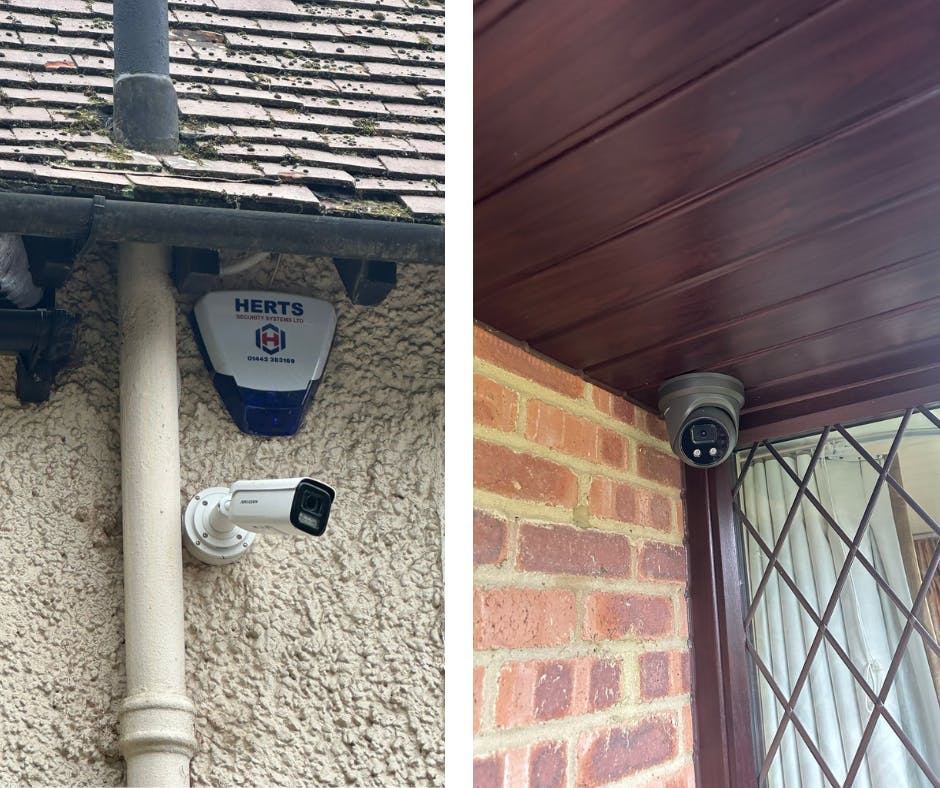
Visible CCTV
Motion-activated lighting
Alarm boxes
Signs of smart home tech
Dogs
Neighbourhood watch / busy neighbourhood
Visible CCTV
Motion-activated lighting
Alarm boxes
Signs of smart home tech
Dogs
Neighbourhood watch / busy neighbourhood
These factors don’t guarantee safety but psychologically, they send a very strong message:
“This house isn’t worth the hassle.”
And for most intruders, this is enough to choose another property to target.
So How Do You Avoid Being a Target?
Here’s the truth: you don’t need to turn your home into a fortress.
You just need to make it psychologically unappealing.
Eliminate the easy opportunities
Shift predictable patterns
Increase perceived risk
Even one of those alone makes you safer.
All three together? That’s when burglars move on to the next house and seek their next opportunity.
And as we approach Christmas, this matters more than ever. Statistically, burglary always rises during the winter months and we see it firsthand in our pre-Christmas rush with enquiries.
That’s why we created the following previous blog posts to help and give more advice on seasonal risks and practical fixes.
Winter Security Checklist for businesses
Keeping your Home and Business safe over the festive period
The Nights Are Drawing In: Is Your Security Up to Scratch?
A Final Note From Experience
We’ve worked with families who’ve suffered after a break-in, business owners who’ve lost thousands, and elderly neighbours who no longer feel safe in their own homes. The emotional aftermath is something we never want anyone to experience.
Burglars don’t just steal possessions, they steal peace, but by truly understanding how they think, you can stay one step ahead.
Not through fear.
Through awareness.
Through preparation.
And through smart, reliable security.
We offer tailored and flexible payment plans to ensure that your home and business safety is accessible and we’re always here to help.
Please get in touch for any advice when it comes to securing your home or business.