

When people think about home security, they often imagine dramatic break-ins, high-value homes, or luxury cars being targeted by organised criminals. In reality, most burglaries are far less dramatic and don’t look anything like the movies. Many burglaries actually happen because of small, easily overlooked mistakes.
At Herts Security Systems, we regularly speak to homeowners who thought they were well protected, only to discover gaps in their security setup they’d never given a single thought to. The good news? Most of these issues are simple to fix once you know what to look for.
Here are some of the most common (and less obvious) home security misconceptions and what you can do to avoid them.
1. “My Home Isn’t High-Value, So It Won’t Be Targeted”
One of the biggest misconceptions is that burglars only go after large houses, expensive cars, or target high-end estates.
In reality, “lower-value” or average homes can actually be even more appealing targets because they’re often perceived as easier to access, with fewer security measures in place. Opportunistic criminals look for convenience, not necessarily where the most value lies.
Our advice: Don’t assume you’re “too ordinary" or too "low value” to be at risk. Any kind of property is vulnerable and a visible, well-maintained security system, even a modest one, can be enough to make a would-be intruder move on.

2. Relying on Outdated or Poorly Maintained Systems
Many homeowners had alarm systems installed years ago and then forget about them entirely or think just having them on show is enough.
Over time, sensors degrade, batteries fail, and systems fall out of sync with modern standards, especially as technology has evolved very quickly over the last few years.
A system that “looks” installed but doesn’t function properly can offer a false sense of security and won’t actually help with ensuring fool-proof security.
Our advice: Schedule regular system checks and servicing so your system doesn’t outdate itself! Professional maintenance ensures your alarm, CCTV, or access control works exactly as intended and especially for those moments when you actually need it.
3. Assuming a Visible Alarm Box Is Enough
A common belief is that simply having an alarm displayed on the wall is enough to deter intruders. While visibility certainly does help (and comes recommended), experienced criminals can often spot older or inactive systems through visible lights or even just through expert knowledge.
If there’s no audible response, monitoring, or follow-up, that box alone won’t stop much.
Our advice: Make sure your system is active or at the very least, looks active, monitored, and clearly supported by working sensors and signage. A visible system should highlight *real risk*, not just decoration, and believe us, the experts can tell them apart!
4. Overlooking the Importance of Lighting
Security lighting is often treated as an afterthought, yet poor external lighting is one of the easiest ways for criminals to move unnoticed.
Dark driveways, side passages, and rear gardens all create perfect cover even in residential areas.
Our advice: Install motion-activated lighting in key areas around your property. Think alleyways and garage corners. Well-placed lighting removes hiding spots and immediately draws attention to unexpected movement.

5. “I Don’t Own a Flashy Car, So I’m Not a Target”
There’s a very common and widespread belief that criminals are only interested in homes with high-end vehicles on the driveway. While expensive cars can and will attract attention, they’re far from the only indicator used.
In many cases, a flashy car can actually mean stronger security as there’s a wider commitment to ensuring nothing happens to the vehicle. Meanwhile, homes with more modest vehicles (or none at all) may be perceived as quieter, easier to approach, and less protected.
It’s also worth noting that a break-in isn’t always about the car itself. Criminals may be targeting keys, tools, or access to the property, with a vehicle simply being part of the opportunity.
Our advice: Home security shouldn’t be based on what’s parked outside but perhaps even more reason to assess the security measures in place. A proper assessment looks at access points, visibility, routines, and system reliability not assumptions about value or the make of a car.
6. Believing CCTV Is Only Useful After a Break-In
Many people think CCTV is only helpful for reviewing footage after something has gone wrong. In fact, its biggest value is deterrence.
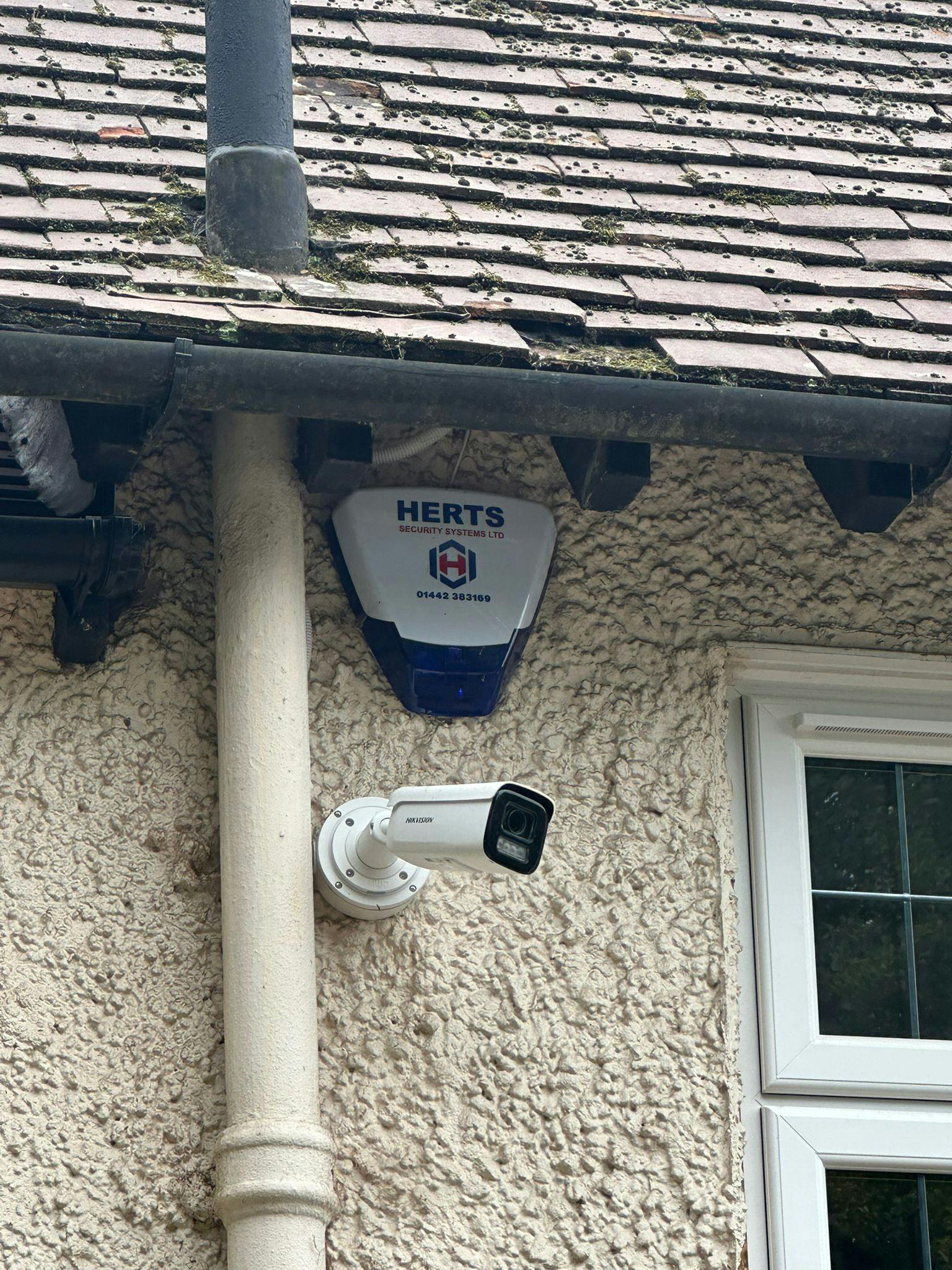
Visible, well-positioned cameras (that work) can stop incidents from happening in the first place especially when combined with lighting and signage.
Our advice: Ensure cameras are clearly visible, correctly positioned, and ideally professionally installed. Modern systems also allow remote access, giving you reassurance wherever you are which is an extra bonus and allows you to have access to real time notifications.
7. Ignoring Everyday Behaviour Patterns
Burglars often observe properties before acting. Predictable routines such as regular work hours or lights switching on and off at the same time, can signal when a home is unoccupied.
Our advice: Use smart controls, timers, or app-based systems to create variation in your everyday routines. Small changes can make a property feel active and unpredictable and can make intruders think twice!
8. Assuming Someone Else Will Notice
It’s easy to believe a neighbour or passer-by would intervene if something seemed wrong but in reality that isn't the case. People often assume alarms are false, that someone else has already responded or that the intruder may be deemed as dangerous/armed.
Our advice: Monitored systems that alert you or a response service ensures direct action is taken without relying on chance of a passer by or neighbour.
9. Focusing Only on the Front of the Property
Most homeowners prioritise the front of their home, but intruders often look for quieter access points such as side paths or rear gardens. Overgrown hedges and messy growth can be the perfect, dark and gloomy hiding spot.
Our advice: A full perimeter approach is essential. Cameras, sensors, and lighting should cover all entry points, not just the most visible ones and should include the whole of the property and outdoor buildings.
10. Thinking “I’ll Sort It Later”
Security is often pushed to the bottom of the list - until after renovations, after moving, or after something goes wrong. Unfortunately, delays can leave properties exposed and often are dealt with too late.
Our advice: Getting professional advice early allows you to make informed, cost-effective decisions before security becomes an urgent issue that needs to be cured, rather than prevented.
Security isn’t about expecting the very worst but being prepared for the worst.
Good home security isn’t about assuming you’ll be broken into. It’s about reducing risk, avoiding assumptions, and making your home a less attractive option.
At Herts Security Systems, we help homeowners design, install, and maintain security solutions tailored to their property and lifestyle, not scare stories or one-size-fits-all setups. We believe that prevention is better than cure.
If you’re unsure whether your current system is doing its job, or you’d like expert guidance then a professional check and assessment could be the smartest first step.
When it comes to home security, what you assume can matter just as much as what you install.